
Flames of Mahasiddha
A profound journey through the sacred traditions of the Western Himalayas
Spiti Valley: The Roof of Himachal
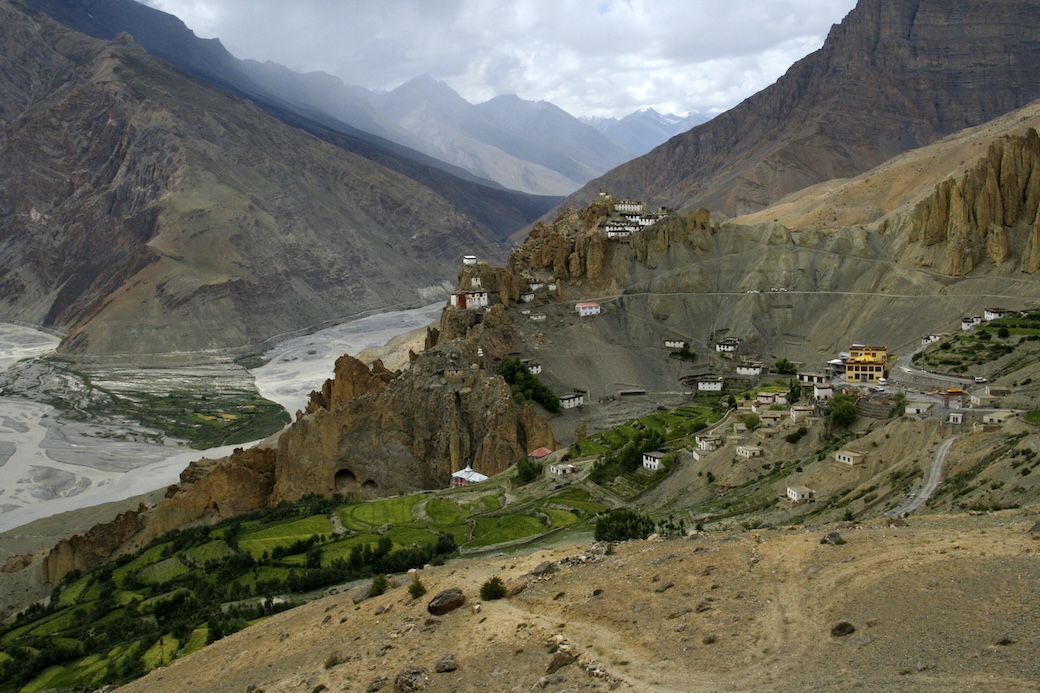
Nestled between 3,000 and 4,500 meters in the Indian Himalayas, Spiti Valley is a windswept "cold desert" of stark beauty, carved by ancient glaciers and framed by snow-capped peaks. Its remote villages perch on rocky ledges, accessible only by high passes that remain snowbound for much of the year—an environment that has shaped both landscape and livelihood.
Home to the resilient Bodh people, daily life revolves around subsistence farming of hearty barley and peas, and the tending of sheep, goats and yaks. Stone-and-mud homes cluster around centuries-old gompas such as Key, Tabo and Dhankar Monasteries, whose whitewashed walls and prayer-flag-draped courtyards serve as spiritual anchors for the community.
Buchen Lamas
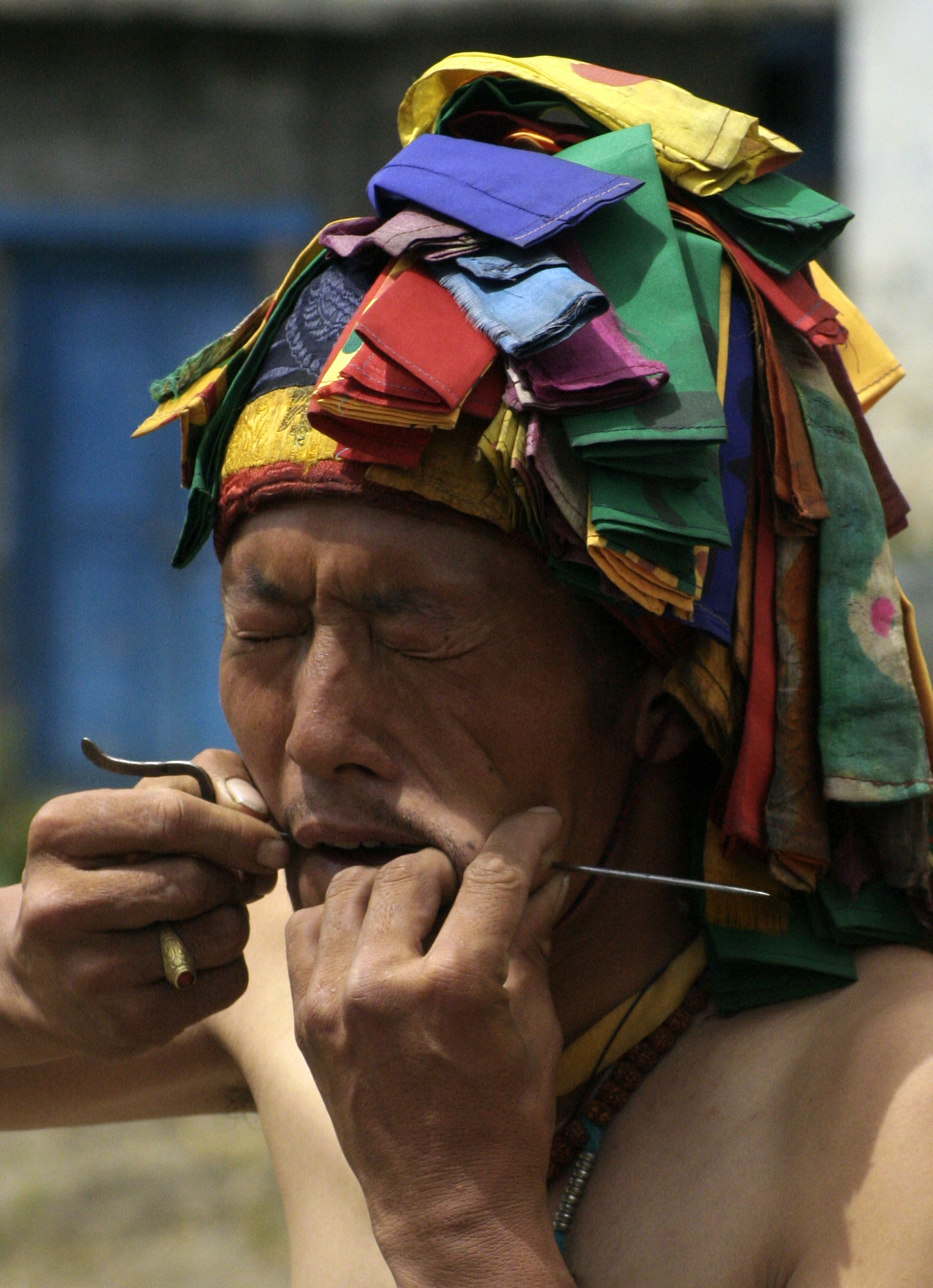
In the remote valleys of the western Himalayas, the Buchen Lamas are traveling ritual performers who play an important role in village life across Spiti and Ladakh. Their tradition blends prayer, music, storytelling, and sacred drama, passing Buddhist teachings from one generation to the next. For local communities, the Buchen are both spiritual guides and cultural guardians.
At the heart of their work is the Breaking the Stone ceremony. During this powerful ritual, harmful forces believed to cause illness or misfortune are symbolically drawn into a stone, which is then shattered. The act represents protection, renewal, and the removal of obstacles.
More than a dramatic performance, the ceremony brings people together. It strengthens community bonds, marks important moments in life, and renews a shared sense of faith and resilience in the high mountain world.